
How to Build an Emergency Fund: The Ultimate Guide
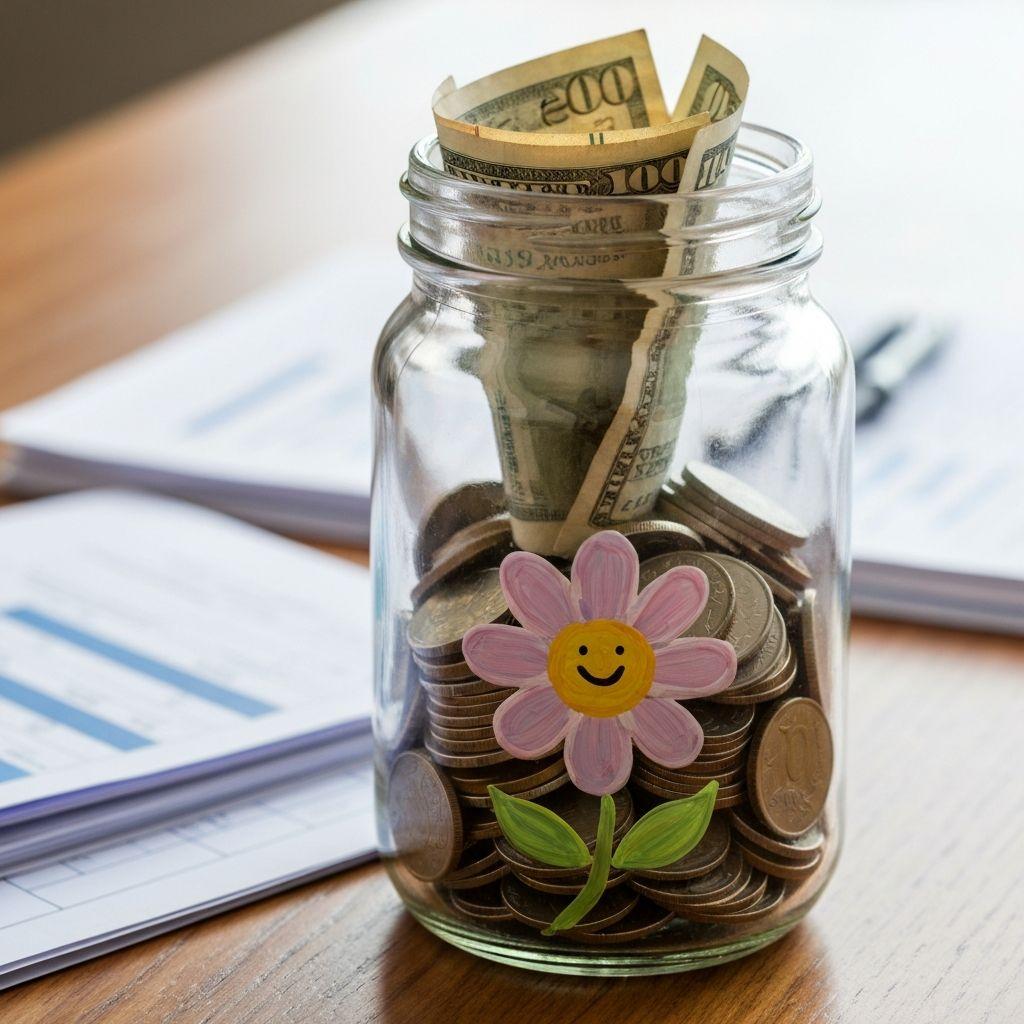
I learned about emergency funds the hard way. Two years ago, my transmission failed on the way to work. The repair? $3,200. My savings account? $147.
I had to put the entire repair on a credit card at 22% interest. What should have been an inconvenience turned into months of financial stress and $600+ in interest charges. That's when I realized: an emergency fund isn't optional, it's essential.
Since then, I've built a robust $15,000 emergency fund that's given me peace of mind and saved me countless times. Here's everything I learned about building yours.
What Exactly is an Emergency Fund?
An emergency fund is money set aside specifically for unexpected expenses or financial emergencies. It's not for vacations, shopping, or planned purchases, it's your financial safety net for genuine emergencies.
True Emergencies Include:
- Unexpected medical expenses not covered by insurance
- Urgent car or home repairs
- Job loss or reduced income
- Emergency travel (family illness, funeral, etc.)
- Essential appliance replacement
NOT Emergencies:
- Black Friday sales
- Concert tickets
- Vacations
- Upgrading your phone
- Anything you've been wanting but don't actually need
How Much Do You Actually Need?
The standard advice is 3–6 months of expenses, but I've learned that's oversimplified. Your ideal emergency fund depends on your specific situation.
3 Months: Minimum Security
Best for:
- Dual-income households
- Very stable employment (government, tenure, etc.)
- Strong family support system
- Minimal monthly obligations
6 Months: Standard Protection
Best for:
- Single-income households
- Specialized careers (longer job search)
- Homeowners (more potential emergencies)
- Anyone with dependents
9–12 Months: Maximum Security
Best for:
- Self-employed or commission-based income
- Volatile industries
- Health issues or chronic conditions
- Anyone who values maximum peace of mind
I started with a 3-month goal, but as a freelancer with variable income, I eventually built up to 9 months. Having that cushion transformed my relationship with work. I could turn down bad clients and negotiate from a position of strength.
My Step-by-Step Emergency Fund Strategy
Step 1: Calculate Your Target Number
First, I calculated my essential monthly expenses, not what I spend, but what I absolutely need to survive:
Rent: $1,200
Utilities: $150
Groceries: $400
Insurance: $180
Car payment: $320
Gas: $120
Phone: $50
Minimum debt payments: $200
Total: $2,620/month
For 6 months of security: $2,620 × 6 = $15,720
Using Seed's calculator, I could adjust these numbers and instantly see my target. It also helped me identify which expenses were truly essential versus optional.
Step 2: Start With $1,000
$15,720 felt impossible when I had $147. So I started with a mini-goal: save $1,000 as fast as possible.
This small emergency fund covers most common emergencies, minor car repairs, small medical bills, urgent home fixes. Getting to $1,000 quickly builds momentum and provides immediate peace of mind.
How I found $1,000 in 8 weeks:
- Cancelled unused subscriptions: $78/month = $624
- Sold unused items on Facebook Marketplace: $285
- Picked up extra shifts: $400
- Reduced eating out for 2 months: $180
- Total: $1,489 in 8 weeks
Step 3: Automate Your Savings
Once I hit $1,000, I set up automatic transfers to build the rest. Every payday, $200 automatically moved to my emergency fund before I could spend it.
This "pay yourself first" approach was crucial. When saving was manual, I'd always find an excuse to skip it. When it was automatic, I adjusted my lifestyle around what was left.
Pro tip: I set up my automatic transfer for the day after payday. The money never even felt like mine, so I didn't miss it.
Seed's automated savings feature made this even easier by analyzing my spending patterns and suggesting optimal amounts to save based on my variable income.
Step 4: Find the Right Home for Your Fund
Where you keep your emergency fund matters. You want it to be:
- Liquid: Accessible within 1–2 days
- Separate: Not in your regular checking account
- Safe: FDIC-insured with no risk
- Growing: Earning at least some interest
My recommendation: High-Yield Savings Account
I use a high-yield savings account earning 4.5% APY. On my $15,000 emergency fund, that's $675 per year in interest, essentially free money just for having the fund.
Avoid:
- Regular checking accounts (too easy to spend)
- CDs (too illiquid for emergencies)
- Stocks or crypto (too volatile and risky)
- Under your mattress (earning 0% and vulnerable to theft)
Step 5: Track Your Progress
Watching my emergency fund grow became genuinely exciting. I created a simple tracker and updated it weekly.
Seed's visual progress tracking made this even more motivating. I could see my safety net growing in real-time, with projections showing when I'd hit my goal at my current savings rate.
The app also showed me how my growing emergency fund affected my overall financial health score, which went from 42/100 to 78/100 as I built the fund.
When Life Happens: Using Your Emergency Fund
I've used my emergency fund three times in two years. Each time was stressful, but having the money available turned potential disasters into manageable inconveniences.
Emergency 1: Root Canal ($1,800)
Painful and expensive, but I paid cash and avoided interest charges. Replenished the fund over 3 months.
Emergency 2: Water Heater Failure ($1,200)
Happened during the holidays. No stress about how to pay for it, just got it fixed.
Emergency 3: Job Loss (3 months of expenses)
The big one. My emergency fund covered my expenses while I found a better job without desperation.
The Rule: Only use it for genuine emergencies, and replenish it immediately after.
Common Obstacles (And How I Overcame Them)
"I don't make enough to save"
I thought this too. But when I tracked my spending, I found $200+/month in "leaks", small purchases that added up. Start with just $25/week. That's $1,300/year.
"I have credit cards for emergencies"
Credit cards aren't emergency funds, they're expensive loans. That $3,200 transmission on my credit card cost me $3,800 after interest. An emergency fund would have saved me $600.
"Should I save or pay off debt first?"
Both! Save $1,000 first, then aggressively pay debt while maintaining minimum savings contributions. Once debt is paid, fully fund your emergency account.
"What about investing instead?"
Your emergency fund isn't for growing wealth, it's for protection. Once it's fully funded, then invest aggressively. But don't skip the foundation.
The Peace of Mind is Priceless
The real value of my emergency fund isn't the $15,000, it's the stress I no longer feel. I sleep better. I make better career decisions. I don't panic when something breaks.
Research shows that people with emergency funds report significantly lower stress levels and better overall life satisfaction. I can personally confirm this is true.
Your emergency fund is the foundation of financial security. Everything else, investing, buying a home, building wealth, becomes easier once this foundation is solid.
Marcus Johnson
Marcus is a freelance designer who learned the power of financial safety nets the hard way. He now helps others build practical emergency funds and resilient money systems they can rely on when life happens.