
How Automated Budgeting Changed My Financial Life
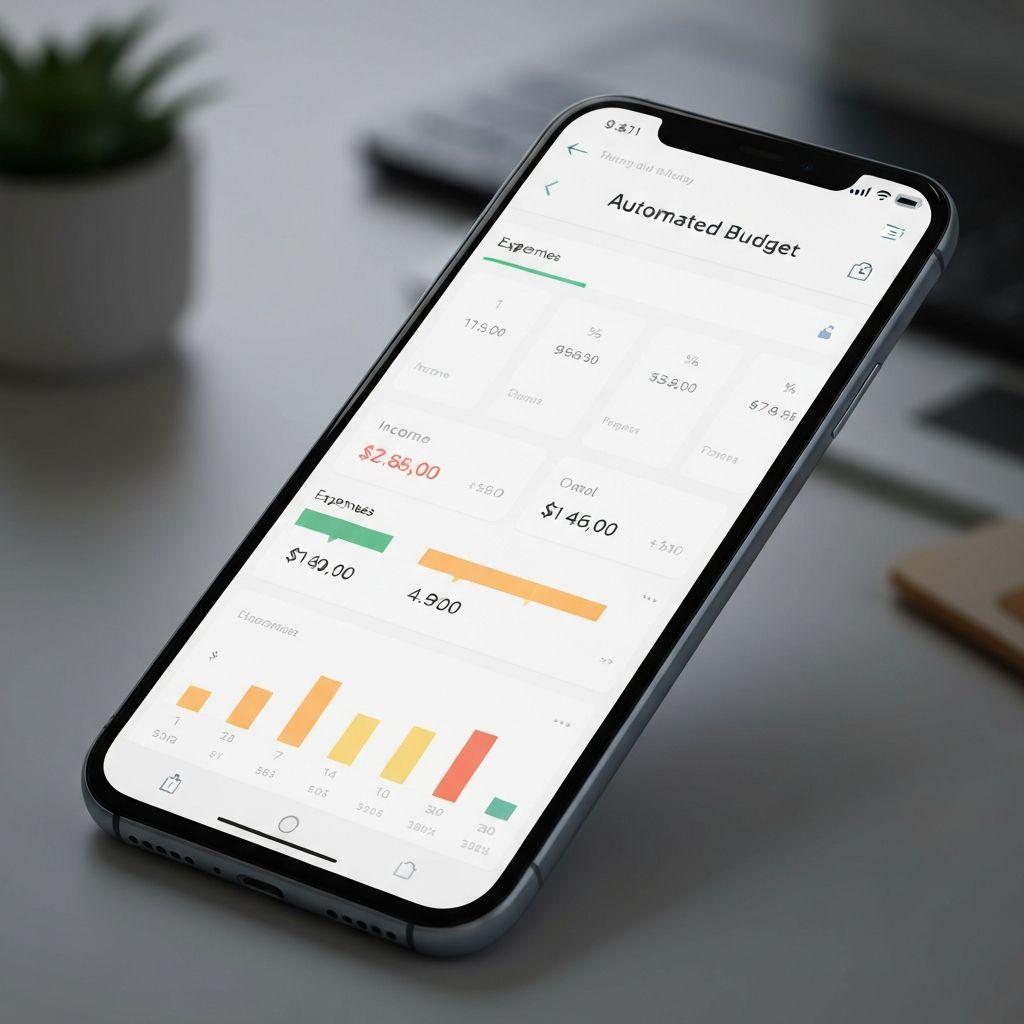
I used to spend 3-4 hours every month manually categorizing transactions in a spreadsheet. I'd download CSV files from each bank, copy and paste data, assign categories, create pivot tables... and by the end, I was so exhausted I'd just close the spreadsheet and promise myself I'd "do better next month."
Then I discovered automated budgeting through Seed, and I got those 3-4 hours back. But more importantly, I actually started understanding where my money was going, because I wasn't too burned out to look.
Here's how automated budgeting transformed my relationship with money.
The Manual Budgeting Trap
Let me paint you a picture of my old budgeting process. Every first Saturday of the month, I'd sit down with my laptop and coffee, ready to "adult properly" by tracking my spending.
Here's what it looked like:
- Step 1: Log into 5 different bank/credit card websites
- Step 2: Download transaction CSV files from each one
- Step 3: Copy and paste everything into my master spreadsheet
- Step 4: Manually categorize each transaction (Was that Target purchase groceries? Clothes? Home goods?)
- Step 5: Create summary tables to see spending by category
- Step 6: Feel guilty about spending $380 on takeout
- Step 7: Close the spreadsheet and ignore it for another month
The worst part? By the time I finished, I was so mentally drained that I didn't even want to think about what the numbers meant. I'd done all this work, but I wasn't actually using the insights to improve.
Enter: Automated Budgeting
When I first heard about automated budgeting, I was skeptical. How could an app accurately categorize my transactions? I'm a unique snowflake with complex spending patterns, right?
Wrong. So very wrong.
I connected all my accounts to Seed (which took about 5 minutes), and immediately, it:
- Pulled in all my historical transactions automatically
- Categorized everything using AI (with surprising accuracy)
- Showed me my spending breakdown by category in a clean, visual dashboard
- Updated automatically every day as new transactions came in
That first Saturday of the month came around, and instead of spending 3-4 hours on spreadsheets, I opened Seed and... it was already done. Everything was categorized. Everything was up to date. I just had to look at it.
The "Aha" Moment:
I realized that manual budgeting wasn't teaching me discipline, it was just teaching me to avoid looking at my finances because it was too painful. Automated budgeting removed the pain, so I actually wanted to check in.
What I Learned About My Spending
Once I wasn't exhausted from data entry, I could actually pay attention to what my spending patterns were telling me. Here's what I discovered:
Discovery #1: The $400 Food Delivery Problem
I was spending $400/month on food delivery. Four hundred dollars. I genuinely thought it was maybe $150. But because Seed automatically categorized every DoorDash, Uber Eats, and Grubhub charge, I couldn't ignore the truth anymore.
I cut it down to $150/month (still a treat, but not ridiculous) and immediately had an extra $250/month to put toward my savings goals.
Discovery #2: Subscription Creep
I was paying for 8 subscriptions I'd completely forgotten about. Streaming services I never used. A gym membership I hadn't visited in 6 months. A meditation app I tried once.
Total: $87/month down the drain. Seed's categorization made these recurring charges obvious, and I cancelled 6 of them immediately.
Discovery #3: Weekend Spending Spikes
I spent 3x more on weekends than weekdays. This wasn't news, weekends are for fun. But seeing the actual numbers helped me realize I could have just as much fun spending $100 on a Saturday instead of $200. I just needed to be more intentional.
The Psychological Shift
Here's the thing that surprised me most: automated budgeting didn't just save me time. It changed how I felt about my finances.
Before automated budgeting:
- Budgeting felt like punishment
- I avoided checking my accounts
- I felt guilty but didn't change behavior
- Months would go by without any financial insight
After automated budgeting:
- Budgeting feels like progress tracking
- I check Seed almost daily (it takes 30 seconds)
- I make conscious adjustments based on data
- I'm always aware of my spending patterns
The frequency shift was huge. Instead of one painful monthly review, I had daily gentle check-ins that kept me aware and accountable without feeling overwhelming.
How Seed's AI Makes It Better
What impressed me most about Seed wasn't just the automation, it was how smart the automation is. Here's what it does:
- Learns from your patterns: After a few weeks, it understood that my Amazon purchases were usually household items, not shopping sprees
- Suggests budget categories: It recommended categories I hadn't thought of but were eating into my spending
- Identifies trends: "Your grocery spending increased 15% this month", oh right, I hosted that dinner party
- Forecasts future spending: Based on my patterns, it predicts what I'll spend next month
It's like having a financial analyst who works 24/7 for free and never judges you for that $6 latte.
The Results: 6 Months Later
After 6 months of automated budgeting with Seed:
- Reduced unnecessary spending by $537/month (food delivery, unused subscriptions, impulse purchases)
- Increased savings rate from 8% to 18% of my income
- Saved 15+ hours that I used to spend on manual spreadsheet work
But the biggest win? I actually understand my money now. I know where it goes, why it goes there, and how to adjust my behavior. That awareness is priceless.
Is Automated Budgeting Right for You?
If you:
- Spend more than 30 minutes a month on manual transaction tracking
- Avoid checking your finances because it feels overwhelming
- Have no idea where your money actually goes each month
- Want to improve your finances but don't know where to start
- Have tried budgeting before but gave up because it was too time-consuming
Then automated budgeting will change your life the way it changed mine.
Start Automated Budgeting Today
Let Seed handle the tedious work so you can focus on making smart financial decisions.
I'm never going back to manual budgeting. Those 3-4 hours I got back each month? I spend them doing things I actually enjoy. And I'm more financially aware than I've ever been.
That's the power of automation done right.
Are you still manually tracking your budget? What's holding you back from automating?
Robert Kim
Robert is a software engineer who applied his love of automation to personal finance. He writes about making money management effortless through smart tools and simple systems.